EN
EN English
 中文简体
中文简体 русский
 Deutsch
 日本語
日本語 한국어
한국어

Magnets quietly power almost every electronic device people touch each day, from the speaker in a phone to the motor in an electric vehicle. This article explains how magnet electronic technology works, where it is used, how permanent magnets differ from electromagnets, and what the future holds for magnetic components in consumer and industrial electronics.
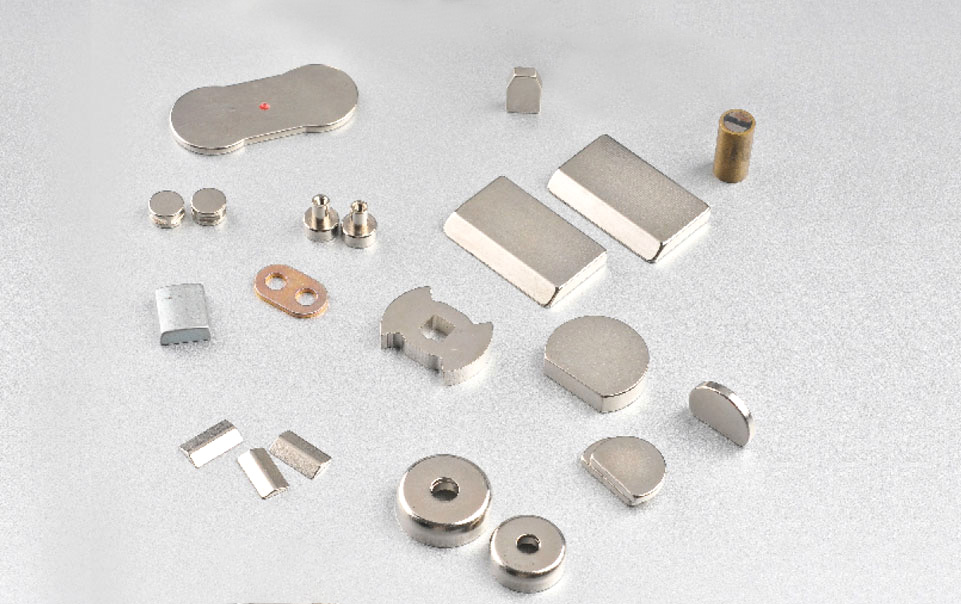
Explore Key Applications of Magnetic Materials
How Do Magnets Power Modern Electronic Devices?
Magnets power modern electronic devices by converting electrical energy into motion, converting motion into electrical energy, or storing and reading data through changes in magnetic fields. This three-way relationship between electricity and magnetism, known as electromagnetism, is the foundation of nearly every electronic product on the market today, including smartphones, laptops, electric vehicles, medical scanners, and household appliances. Without magnet electronic components, devices such as speakers, hard drives, sensors, and motors simply would not function.
The global shift toward electrification has only increased reliance on magnetic components. Rare-earth magnets, particularly neodymium-iron-boron (NdFeB) types, are forecast to see significant demand growth through 2026 as electric vehicles, wind turbines, robotics, and consumer electronics manufacturers scale up production, according to industry projections. This article breaks down exactly how magnet electronic technology works, where it shows up in everyday devices, and how to evaluate the different magnet types used across the electronics industry.
What Is a Magnet Electronic Component, Exactly?
A magnet electronic component is any part of an electronic system that generates or responds to a magnetic field in order to produce a specific electrical or mechanical effect. These components fall into two broad categories: permanent magnets, which hold a fixed magnetic field without external power, and electromagnets, which generate a magnetic field only when electric current flows through a coiled wire, typically wound around an iron or ferrite core.
Both types interact with electric current to create force, control signal flow, or convert one form of energy into another. This interaction is what allows a tiny magnet inside a phone's speaker to vibrate a diaphragm and produce sound, or what allows a much larger magnet inside an electric motor to spin a rotor with enough torque to move a two-ton vehicle.
Permanent Magnets vs. Electromagnets in Electronics
Permanent magnets and electromagnets serve different roles in electronic design because one requires continuous power and the other does not. The table below compares the two across the criteria engineers typically weigh when choosing a magnet type for a given application.
| Feature | Permanent Magnet | Electromagnet |
| Power required | None once magnetized | Continuous current needed |
| Field strength control | Fixed, cannot be adjusted | Adjustable via current level |
| Common materials | Neodymium, samarium cobalt, ferrite | Copper wire coil, iron core |
| Typical uses | Speakers, hard drives, sensors, motors | Relays, MRI machines, cranes, transformers |
| Energy efficiency | Higher, no ongoing power draw | Lower, draws power continuously |
Table 1: Comparison of permanent magnets and electromagnets in electronic applications
Engineers generally choose permanent magnets when a device needs a constant, compact, energy-efficient field, such as in a smartphone speaker or a hard drive. Electromagnets are chosen when the field needs to be switched on and off or adjusted in strength, such as in a relay switch or an MRI scanner.
Which Everyday Electronic Devices Rely on Magnets?
Nearly every category of consumer and industrial electronics depends on at least one magnet electronic component to function properly. The list below highlights the most common examples people interact with daily.
- Speakers and headphones: A permanent magnet interacts with a coil carrying an alternating current, causing a diaphragm to vibrate and produce sound. Larger magnets generally allow for louder, richer output.
- Hard disk drives: Data is stored magnetically, with billions of microscopic magnetic regions on a spinning disk representing binary 0s and 1s that the drive head reads and writes.
- Electric motors: Motors in fans, blenders, drones, and electric vehicles use magnets to convert electrical current into rotational motion through the interaction of magnetic fields.
- Sensors: Magnetic sensors detect position, speed, and rotation in applications ranging from car anti-lock brakes to smartphone compasses and folding-screen detection.
- Wireless chargers: Inductive charging pads use coils and magnetic fields to transfer power to a device without a physical cable connection.
- Magnetic phone accessories: Cases, mounts, and wallet attachments increasingly use embedded magnet arrays to snap securely onto compatible devices.
Why Neodymium Magnets Dominate Consumer Electronics
Neodymium magnets dominate consumer electronics because they deliver the strongest magnetic field per unit of size and weight of any commercially available magnet type. This makes them ideal for compact devices such as smartphones, wireless earbuds, and laptops, where every cubic millimeter of internal space matters. Consumer electronics manufacturers demand neodymium magnets manufactured to tight precision tolerances, since even small inconsistencies can affect audio quality, sensor accuracy, or motor performance in miniaturized devices.
Flexible rubber magnets are also gaining traction in foldable devices and magnetic phone cases because they can be shaped to match intricate design specifications while remaining durable through repeated bending.
How Do Magnetic Sensors Improve Electronic Devices?
Magnetic sensors improve electronic devices by converting changes in a magnetic field into precise electrical signals that a circuit can interpret. This function is essential in applications where mechanical contact would wear out over time or where speed and reliability matter more than a physical switch can provide.
Common uses for magnetic sensors include inertial navigation systems, position detection inside electric motors, and security systems that monitor whether a door or window is open or closed. In vehicles, magnetic sensors track wheel speed for anti-lock braking systems and detect crankshaft position for engine timing. In smartphones, they power digital compasses and detect when a folding screen or magnetic case cover is opened or closed.
Reed Switches and Hall Effect Sensors
Reed switches and Hall effect sensors are the two most widely used types of magnetic sensing technology in electronics. A reed switch uses two thin metal contacts that physically close when a magnet passes nearby, making it simple and inexpensive but limited by mechanical wear over time. A Hall effect sensor, by contrast, has no moving parts and instead measures voltage changes caused by a nearby magnetic field, making it more durable for high-cycle applications like automotive sensors and industrial equipment.
What Role Do Magnets Play in Electric Vehicles and Renewable Energy?
Magnets play a central role in electric vehicles and renewable energy systems by enabling the high-efficiency motors and generators that these technologies depend on. Traction motors inside electric vehicles rely on high-performance permanent magnets to convert battery power into the torque needed to move the vehicle, and this demand is one of the biggest drivers of magnet production growth worldwide.
Wind turbines follow a similar principle in reverse. Permanent-magnet generators inside turbines convert the mechanical energy of spinning blades into electricity, and this segment is expected to see continued volume growth as countries pursue decarbonization targets. This trend has pushed manufacturers to research rare-earth-free alternatives, such as iron-nitride magnet formulations, aiming to reduce costs and reliance on rare-earth mining while maintaining competitive performance.
Comparing Magnet Materials by Application
Different magnet materials suit different electronic applications based on strength, cost, temperature tolerance, and corrosion resistance. The table below outlines the four materials most commonly used across the electronics and electric vehicle industries.
| Material | Relative Strength | Heat Resistance | Typical Electronic Use |
| Neodymium (NdFeB) | Very high | Moderate | Speakers, EV motors, hard drives |
| Samarium Cobalt | High | Very high | Aerospace electronics, military sensors |
| Ferrite (Ceramic) | Low to moderate | High | Low-cost motors, household appliances |
| Alnico | Moderate | Very high | Sensors, older speaker designs |
Table 2: Common magnet materials used in electronic and electric vehicle applications
How Does Magnetic Shielding Protect Sensitive Electronics?
Magnetic shielding protects sensitive electronics by blocking or redirecting electromagnetic interference (EMI) that could otherwise disrupt circuit performance. As devices pack more magnetic and electronic components into smaller spaces, unwanted interference between parts becomes a bigger design challenge, which is why manufacturers use shielding materials to isolate sensitive components and maintain optimum performance.
Shielding typically involves layers of high-permeability metal that absorb stray magnetic fields before they reach a circuit board, camera sensor, or wireless antenna. This is especially important in smartphones, where speakers, wireless charging coils, and multiple magnetic sensors are packed within millimeters of each other.
What Is the Future of Magnet Electronic Technology?
The future of magnet electronic technology centers on smaller, more efficient, and less environmentally costly magnetic materials. Researchers in nanomagnetism and spin-transport fields are working on next-generation magnetic devices that could reduce the size and power requirements of sensors and memory components even further. At the same time, manufacturing innovations such as cold sintering for ferrite and composite magnets are improving energy efficiency during production itself.
One notable area of research involves a material that acts as a magnetic field diode, transferring a magnetic field to an object in only one direction rather than symmetrically. This type of device has potential applications in electric motors, transformers, and medical imaging equipment, where current symmetrically-coupled magnetic elements are the norm.
Rare-Earth-Free Magnets Are Gaining Momentum
Rare-earth-free magnets are gaining momentum as manufacturers look to reduce costs and supply chain risk tied to rare-earth mining. Iron-nitride formulations and other alternative composites are being developed to challenge the dominance of traditional rare-earth magnets, and if these materials reach competitive performance levels, they could reshape how electronics manufacturers source magnetic components in the years ahead.
Frequently Asked Questions About Magnet Electronic Components
Can a strong magnet damage a smartphone or laptop?
Modern smartphones and laptops are built with magnetic shielding and use solid-state storage rather than magnetic hard drives, so an ordinary magnet is unlikely to cause data loss. However, older devices with magnetic hard disk drives, magnetic stripe cards, and some medical implants such as pacemakers can still be affected by strong magnetic fields, so caution is warranted around high-strength neodymium magnets.
Why do bigger speaker magnets produce louder sound?
A larger magnet generates a stronger magnetic field, which allows the voice coil to move the speaker diaphragm with more force for a given electrical input, producing greater volume and often improved bass response. This is one reason premium speakers and headphones tend to use larger or higher-grade neodymium magnets than budget models.
Do all electric motors use permanent magnets?
No, not all electric motors use permanent magnets. Some motors, known as induction motors, generate their magnetic field entirely through electromagnetism without any permanent magnet, while permanent-magnet motors use embedded magnets to achieve higher efficiency and torque density, which is why they are favored in electric vehicles and precision robotics.
How does wireless charging use magnets and electricity together?
Wireless charging pads use a coil that generates an alternating magnetic field, which induces a current in a matching coil inside the receiving device, transferring power without a physical cable connection. Many wireless chargers also include an alignment magnet to help position the device correctly over the charging coil for maximum efficiency.
Are magnets used in solid-state drives (SSDs)?
No, solid-state drives do not use magnets to store data. Unlike traditional hard disk drives, which store data magnetically on a spinning platter, SSDs store data electronically in flash memory chips, which is one reason SSDs are more resistant to magnetic interference and physical shock than older magnetic hard drives.
Key Takeaways on Magnet Electronic Technology
Magnet electronic components are woven into nearly every device people rely on, from the speaker producing sound in a pair of earbuds to the traction motor propelling an electric vehicle down the highway. Permanent magnets offer compact, energy-efficient fields for applications like speakers and sensors, while electromagnets provide adjustable, switchable fields for applications like relays and medical imaging. As demand for electric vehicles and renewable energy grows, and as researchers develop rare-earth-free alternatives and next-generation magnetic materials, magnet electronic technology is set to become even more central to how electronic devices are designed and manufactured in the years ahead.